
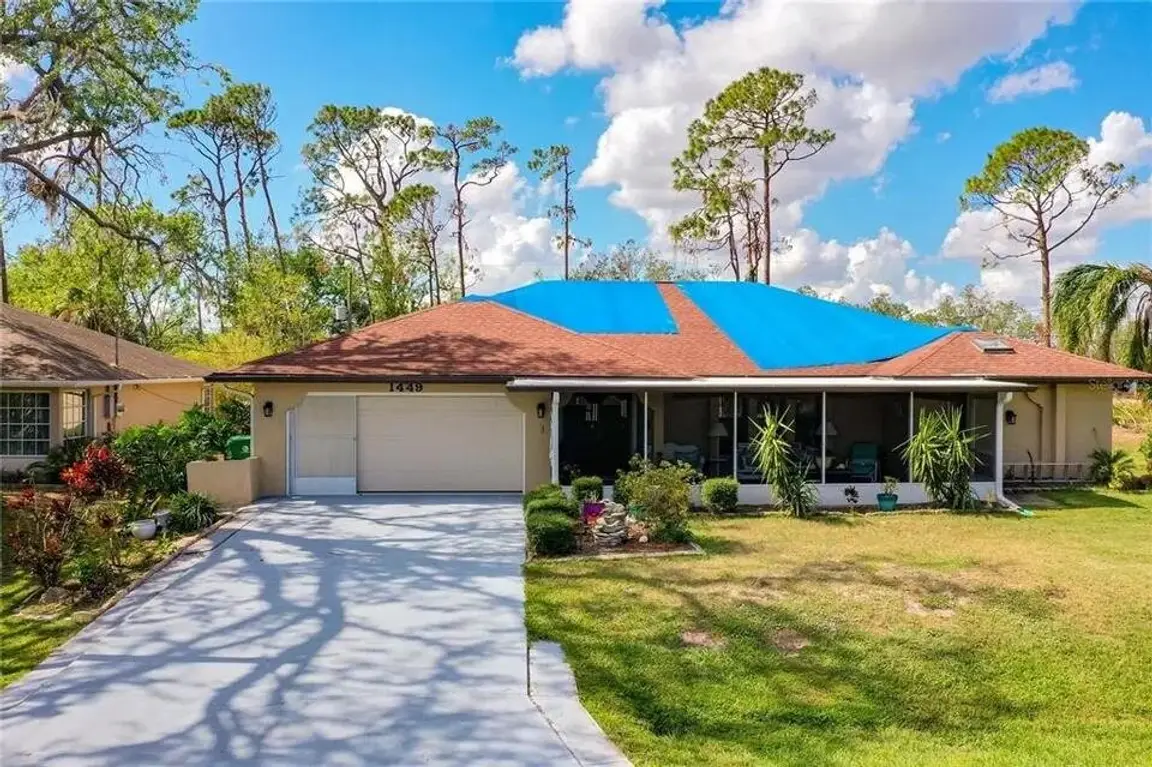
Can You Sell a House With an Open Insurance Claim in Florida?
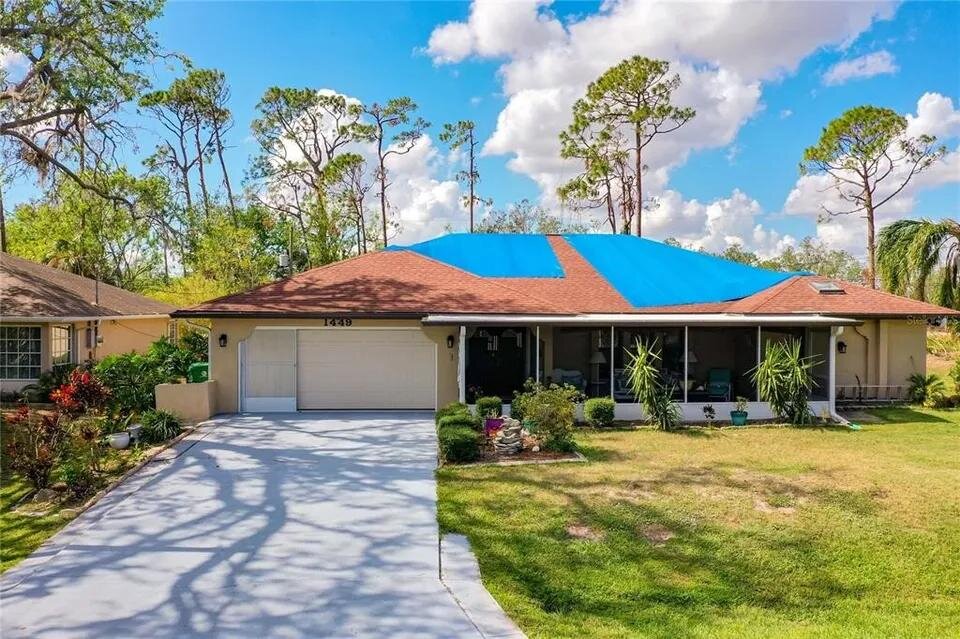
Dealing with property damage is stressful enough. When you also need to sell your house, an unfinished insurance claim can make everything feel more complicated.
Maybe a hurricane damaged your roof, a plumbing leak ruined your flooring, or your insurance company hasn’t finished reviewing your claim. You may be wondering whether you have to wait for the insurance money, complete repairs, or settle the claim before putting your house on the market.
The good news is that you can generally sell a house with an open insurance claim in Florida. But selling the property and resolving the insurance claim are two different matters.
Before accepting an offer, you need to understand your rights, your financial obligations, and what happens to any remaining insurance payments.
This guide explains your options, the potential risks, and how to sell your Florida home without making a costly mistake.
Can You Sell a House With an Open Insurance Claim?
Yes. Florida homeowners can generally sell their houses while an insurance claim remains open, even if repairs haven’t been completed. However, the sale agreement must properly address the property’s condition, any remaining insurance proceeds, existing financial obligations, and who will handle unfinished repairs.
An insurance claim does not automatically prevent you from transferring ownership of your home. For example, you might have:
- A pending roof insurance claim after a hurricane.
- Water damage that your insurance company is still investigating.
- An approved claim with payments that have not been fully released.
- A disputed claim involving repairs that cost more than the insurer’s estimate.
- A denied insurance claim for damage you cannot afford to repair.
Each situation creates different considerations, but none automatically means you must keep the property. The important question is not simply whether you can sell. It is how to structure the sale so you understand exactly what you are receiving and what responsibilities remain after closing.
Considering selling your damaged Florida home? House Buyers FLA purchases properties in as-is condition. Visit Florida Home Buyers to discuss your situation and explore a direct cash offer without committing to a sale.
What Happens to Your Insurance Claim When You Sell Your House?
Selling your house does not automatically transfer your existing insurance claim to the buyer. The insurance policy that covered the property when the damage occurred, the wording of the purchase agreement, applicable Florida law, and any lender or third-party interests can all affect what happens next.
Can You Keep the Insurance Money After Selling?
In some situations, yes. If you were the insured homeowner when the covered damage occurred, you may retain rights to insurance proceeds related to that loss. However, that does not mean you are automatically entitled to every remaining payment after selling. Your rights may depend on:
- The insurance policy’s terms.
- Whether the claim has been approved or denied.
- Whether the insurance company has already issued payment.
- Whether a mortgage lender controls some of the funds.
- Whether repairs are required before additional money is released.
- Whether the purchase contract addresses claim proceeds.
- Whether any valid agreements affect the claim.
Consider this hypothetical situation. A homeowner in Orlando experiences roof damage during a storm. The insurance company approves part of the claim, but the homeowner decides to sell before replacing the roof. The homeowner and buyer agree on an as-is purchase price that reflects the damaged roof.
The seller might be able to retain certain insurance payments, but that must be evaluated under the policy and any applicable agreements. The seller should not assume that selling automatically guarantees payment of the entire approved claim. A Florida real estate attorney and the insurance company can help clarify those rights before the contract is finalized.
What If Your Mortgage Company Is Holding the Insurance Check?
Insurance payments for significant property damage may be issued jointly to the homeowner and mortgage lender. In some cases, the lender places the funds in a restricted account and releases payments as repairs progress. This can become important when you sell before completing the work.
For example, suppose your mortgage lender is holding $18,000 in insurance proceeds for roof repairs. You cannot safely assume that the full $18,000 will be paid directly to you at closing. The lender may have specific requirements for releasing or applying those funds. Ask your mortgage servicer how the insurance money will be handled if the property is sold and the loan is paid off. Get the answer in writing whenever possible.
What If the Insurance Company Hasn’t Finished Paying?
Some insurance policies provide replacement cost coverage, meaning additional money may become available after covered repairs are completed and documented. An initial payment may reflect actual cash value, which accounts for depreciation. A later payment may include recoverable depreciation, subject to the policy’s conditions. If you sell without completing repairs, you may lose eligibility for certain additional payments.
Before making your decision, ask your insurer:
- How much has already been paid?
- How much remains under review?
- Is any additional payment dependent on completed repairs?
- What happens if I sell before those repairs are finished?
- Are there deadlines I need to meet?
These answers may significantly change your financial comparison between selling now and repairing first.
Three Ways to Sell a House With an Insurance Claim in Florida
You generally have three practical options. The best one depends on your available funds, the condition of the property, and how soon you want to move.
| Selling option | Main advantage | Main drawback |
| Repair the house, then sell | May attract more traditional buyers and a higher sale price | Requires time, money, and contractor coordination |
| List the house with an open claim | Market without waiting for everything to be resolved | Financing, inspections, and negotiations may be more difficult |
| Sell directly to a cash buyer as-is | Can avoid seller-managed repairs and traditional mortgage approval | Offer usually reflects repair costs and investor risk |
Option 1: Complete the Repairs Before Selling
Repairing the home may be worthwhile when the insurance claim is moving forward, the repairs are manageable, and the property’s expected resale value supports the investment. For example, replacing a damaged roof might make a house easier to insure and more attractive to buyers. But consider the total cost, not just the contractor’s estimate. You may also need to pay for permits, inspections, temporary housing, utilities, mortgage payments, and additional work discovered during construction.
Option 2: List the House Before the Claim Is Resolved
You may choose to market the property while your insurance company is still reviewing the damage. This can work when the damage is limited or when a buyer is willing to negotiate around unfinished repairs. However, some buyers using mortgage financing may encounter problems if the property cannot meet lender or insurance requirements. A buyer might request a price reduction, require repairs before closing, or cancel under an applicable contract contingency.
Option 3: Sell Your House As-Is to a Cash Buyer
A direct cash sale may be worth exploring when you do not want to spend additional money repairing the property. This option can be especially relevant for houses with:
- Significant roof damage.
- Unresolved hurricane damage.
- Water intrusion or mold concerns.
- Fire damage.
- Outdated systems and additional repair needs.
- Unfinished restoration projects.
An as-is sale means the buyer agrees to purchase the property in its existing condition, subject to the contract terms. It does not automatically eliminate your obligation to disclose known material defects or resolve financial obligations associated with the property.
Facing expensive repairs? House Buyers Florida can review your property’s condition and discuss whether a direct as-is purchase makes sense. Visit https://www.housebuyersfla.com/ to request a cash offer and compare it with your other selling options.
Florida Insurance Claim Rules You Should Understand Before Selling
Insurance claims are governed by policy provisions and Florida law. Knowing a few important rules can help you avoid losing rights or making assumptions about unpaid benefits.
Florida Insurance Claim Deadlines
Under Florida Statutes Section 627.70132, property insurance claims generally have specific notice deadlines. For claims subject to the current statutory framework:
- Initial and reopened claims generally must be reported within one year after the date of loss.
- Supplemental claims generally must be reported within 18 months after the date of loss.
The applicable rules may depend on the date of loss, policy, and other circumstances. Selling your property does not mean you should ignore an approaching insurance deadline. If your claim is pending, disputed, or approaching a deadline, speak with your insurer or a qualified Florida insurance attorney before closing.
Florida Assignment-of-Benefits Rules
An assignment of benefits, commonly called an AOB, is an arrangement that transfers certain insurance claim rights to another party. Florida substantially restricted these arrangements for property insurance policies issued on or after January 1, 2023. Section 627.7152 also recognizes certain exceptions, including specified transfers involving subsequent property purchasers with an insurable interest.
However, these exceptions do not mean an insurance claim automatically transfers whenever a house is sold. Do not assume that a standard real estate purchase contract transfers your insurance claim rights. Have a qualified attorney review any proposed claim assignment, especially if a buyer, contractor, or another party expects to receive future insurance proceeds.
Official reference: h
Do You Have to Disclose an Open Insurance Claim?
Florida homeowners must disclose known facts that materially affect the property’s value when those facts are not readily observable and are not already known to the buyer. This principle comes from the Florida Supreme Court’s decision in Johnson v. Davis. An open insurance claim may involve material property defects, such as hidden water damage, structural problems, or an unrepaired roof.
Even if you sell the property as-is, you should not conceal known material problems. Provide accurate information about the damage, repairs, and relevant claim history. Written disclosures and supporting documents can help reduce misunderstandings.
Reference: https://www.floridarealtors.org/law-ethics/library/florida-real-estate-disclosure-laws
How Hurricane, Roof, and Water Damage Affect a Florida Home Sale
Not all insurance claims create the same challenges. A small claim involving damaged flooring may be easier for buyers to evaluate than extensive hurricane damage affecting the roof, electrical system, and interior walls.
Selling a House With Hurricane Damage
Hurricanes can create multiple problems at once. A house may have roof damage, broken windows, water intrusion, damaged siding, or structural concerns. For homeowners in Orlando, Kissimmee, Sanford, Winter Park, Apopka, and other Central Florida communities, storm damage can make selling more complicated when repairs remain unfinished.
Before selling, determine whether your property has any unresolved safety issues, permit requirements, or contractor obligations. If the home is heavily damaged, a buyer who plans to renovate may be more comfortable with the condition than someone seeking a move-in-ready residence.
Selling a House With an Open Roof Insurance Claim
Roof damage can affect a buyer’s willingness to purchase the home and their ability to obtain acceptable insurance coverage. Buyers may want to know:
- How old is the roof?
- What caused the damage?
- Is the roof still leaking?
- Has the insurance company approved replacement?
- Were any temporary repairs completed?
- Are permits or inspections still outstanding?
A documented roof inspection and written repair estimate can help buyers understand the problem. You do not necessarily need to replace the roof before selling, but the condition will likely influence the offer.
Selling a House With Water or Flood Damage
Water damage deserves special attention because problems may extend beyond what is visible. Damaged drywall, flooring, insulation, and electrical components can create additional repair costs. It is also important to distinguish between different sources of water damage.
A burst plumbing pipe, wind-driven rain, and rising floodwater may be treated differently under insurance policies. Standard homeowners insurance generally does not cover flood damage from rising water. Separate flood insurance may be required. Before selling, document the source of the water damage, the affected areas, and any mitigation work already completed.
How Much Is a House Worth With an Open Insurance Claim?
The property’s value depends primarily on its location, condition, repair costs, and what buyers are willing to pay. An open claim can add uncertainty, but it does not automatically make a house unsellable. Buyers often consider the property’s estimated value after repairs and subtract the costs and risks associated with getting it into that condition.
For homeowners, the more useful question is: How much money will I actually keep after the sale?
Example: Selling As-Is vs. Repairing First
Consider a hypothetical Florida house that could sell for $300,000 after repairs.
| Item | Repair first | Sell as-is |
| Sale price | $300,000 | $225,000 |
| Repair costs | −$45,000 | $0 |
| Selling/closing costs | −$18,000 | −$3,000 |
| Additional carrying costs | −$8,000 | $0 |
| Net before mortgage/claim proceeds | $229,000 | $222,000 |
Hypothetical figures only. Excludes mortgage payoff, insurance claim receipts, tax consequences, and other property-specific obligations.
In this example, the repaired property sells for $75,000 more, but the difference in estimated net proceeds is only $7,000 before accounting for insurance payments and other obligations. That does not mean selling as-is is always the better decision.
If insurance proceeds cover much of the repair expense, waiting may leave the homeowner with substantially more money. If repairs exceed the insurance payment or take months to complete, the calculation may favor selling sooner. Compare both options using real written estimates and actual expected claim proceeds before deciding.
Seven Steps to Sell a Florida House With an Open Insurance Claim
Step 1: Confirm Your Claim Status
Contact your insurance company and request an update. Find out whether the claim is pending, approved, partially paid, denied, or under appeal. Ask about any remaining deadlines and required documentation.
Step 2: Collect Your Property and Insurance Records
Gather your claim number, adjuster’s estimate, photographs, contractor bids, payment records, and correspondence. Include documents showing temporary repairs, completed work, and outstanding contractor invoices. Having these records ready can make the transaction easier to evaluate.
Step 3: Identify Any Financial Obligations
Check whether insurance proceeds are being held by your mortgage lender. Review agreements with contractors, public adjusters, or other service providers. Ask the closing attorney to investigate relevant recorded liens and title concerns.
Step 4: Determine What Repairs Are Actually Needed
Get a realistic understanding of the damage. You may need a roof inspection, contractor estimate, mold assessment, or structural evaluation, depending on the property’s condition. Avoid assuming that the insurer’s estimate will cover every repair expense.
Step 5: Compare Selling Options
Request a realistic market valuation and compare it with an as-is offer. Account for commissions, closing costs, repairs, holding expenses, and potential insurance proceeds. Focus on estimated net proceeds rather than the highest advertised purchase price.
Step 6: Put the Insurance Claim Terms in Writing
Before signing a purchase agreement, have the closing attorney clarify:
- Who retains any unpaid claim rights.
- Whether any insurance payments affect the purchase price.
- Who is responsible for unfinished repairs.
- How lender-held proceeds will be handled.
- Whether any contractor or other payment obligations remain.
- What happens if the claim changes before closing.
Clear written terms help protect both buyer and seller.
Step 7: Close Through a Qualified Settlement Professional
Work with an experienced Florida closing attorney or title company. The closing professional can coordinate the title review, mortgage payoff, required documents, and distribution of sale proceeds. Your insurance carrier and legal adviser should address any separate insurance claim matters that continue after closing.
Common Mistakes to Avoid When Selling With an Insurance Claim
A few mistakes can turn an otherwise manageable sale into an expensive problem.
- Assuming the insurance check belongs entirely to you. A lender or another party may have rights affecting how funds are distributed.
- Accepting an offer without reviewing the claim terms. Make sure the purchase contract clearly addresses any outstanding insurance money.
- Ignoring hidden damage. Selling as-is does not excuse failing to disclose known material defects.
- Counting on insurance payments that are not guaranteed. Additional payments may depend on completed repairs, documentation, and policy conditions.
- Overlooking contractor obligations. A contractor may still be owed money even when an insurance assignment is restricted or invalid.
- Comparing sale prices instead of net proceeds. A higher sale price does not always mean you keep more money.
- Waiting too long to address the claim. Insurance reporting and supplemental claim deadlines can affect your options.
When Does Selling to a Cash Home Buyer Make Sense?
A cash sale can be a practical option when the cost and uncertainty of repairing a property outweigh the benefits of waiting. You might consider it if your house has extensive hurricane damage, your claim is disputed, or you cannot afford to make the necessary repairs. It can also make sense if the property is vacant, you are relocating, or managing contractors has become difficult.
Benefits of an As-Is Cash Sale
A direct sale may allow you to avoid preparing the home for traditional showings, completing major repairs yourself, and depending on a buyer’s mortgage approval. You may also be able to negotiate a closing schedule that fits your circumstances.
Tradeoffs to Consider
A cash offer will generally reflect the property’s current condition, anticipated repair expenses, and the buyer’s financial risk. That means the offer may be lower than the price you could receive after completing repairs and listing the home. It is also important to confirm the buyer’s ability to close, understand contract contingencies, and review the final settlement statement. A legitimate buyer should be willing to explain the terms of the offer and give you time to evaluate them.
Frequently Asked Questions About Selling a House With an Insurance Claim in Florida
Can I sell my house before the insurance company pays my claim?
Yes, you can generally sell before the claim is fully paid. However, you should confirm what happens to any remaining insurance proceeds and whether future payments require completed repairs. Review the policy and have the purchase agreement address the claim clearly before closing.
Can I sell my Florida house if the insurance claim was denied?
Yes. A denied claim does not automatically prevent a property sale. You may need to adjust the asking price to reflect unrepaired damage. If you are disputing the denial, consult a qualified insurance professional or attorney about how selling could affect your claim rights.
Do I have to repair hurricane damage before selling my house?
Not necessarily. You can generally sell a hurricane-damaged home in its existing condition if you find a buyer willing to accept it. You must still disclose known material defects, and unresolved damage may affect financing, insurance availability, and the purchase price.
Who gets the insurance money if I sell my house?
That depends on the insurance policy, claim status, mortgage lender’s rights, applicable law, and any agreements made during the sale. The seller may retain certain claim rights, but those rights should not be assumed. A Florida attorney can help determine how proceeds should be handled.
Will an open insurance claim lower my home’s value?
It can. Buyers may discount their offers for unrepaired damage, uncertain repair costs, or difficulty obtaining financing and insurance. However, the amount depends on the property’s actual condition, local demand, and available documentation. A claim that has already been resolved may have a different impact.
Can a cash buyer purchase a house with an open insurance claim?
Yes. Cash buyers may be willing to purchase damaged homes without requiring the seller to complete repairs. Because they are not relying on a traditional mortgage, some financing obstacles may be avoided. However, title, insurance proceeds, disclosures, and outstanding obligations still need to be addressed.
Can I sell my house if my mortgage company is holding the insurance payment?
Potentially, yes. Your mortgage servicer may control how certain insurance funds are released or applied. Before closing, ask the servicer what will happen to those funds when the loan is paid off. The closing professional should coordinate any required instructions.
How quickly can I sell a damaged house in Florida?
The timeline depends on the buyer, title condition, property damage, insurance arrangements, and closing requirements. A direct cash sale may avoid mortgage underwriting delays, but an unresolved claim or financial obligation can still require additional time. Ask for a realistic closing estimate based on your specific property.
Final Thoughts: You Have Options Even With an Open Insurance Claim
An unfinished insurance claim does not necessarily mean you have to postpone selling your Florida house. Whether your home has hurricane damage, a leaking roof, water damage, or another unresolved repair issue, you can explore selling as-is, listing traditionally, or completing repairs first.
The right choice depends on the property’s condition, remaining insurance benefits, your financial situation, and how much time you want to spend managing repairs. Before accepting an offer, understand what happens to your insurance claim, review your financial obligations, and compare the money you expect to keep under each option.
Ready to explore selling your Florida house as-is? House Buyers FLA works with homeowners considering direct cash sales, including properties that need repairs. Visit https://www.housebuyersfla.com/ to request a no-obligation cash offer and find out whether selling directly is the right choice for you.
